Clear guidance on maca root
The Truth About Long-Term Use of Maca: Exploring the Benefits and Risks of Maca Root
Explore the benefits and risks of long-term maca root use. Discover its nutritional profile, health benefits, and potential side effects.

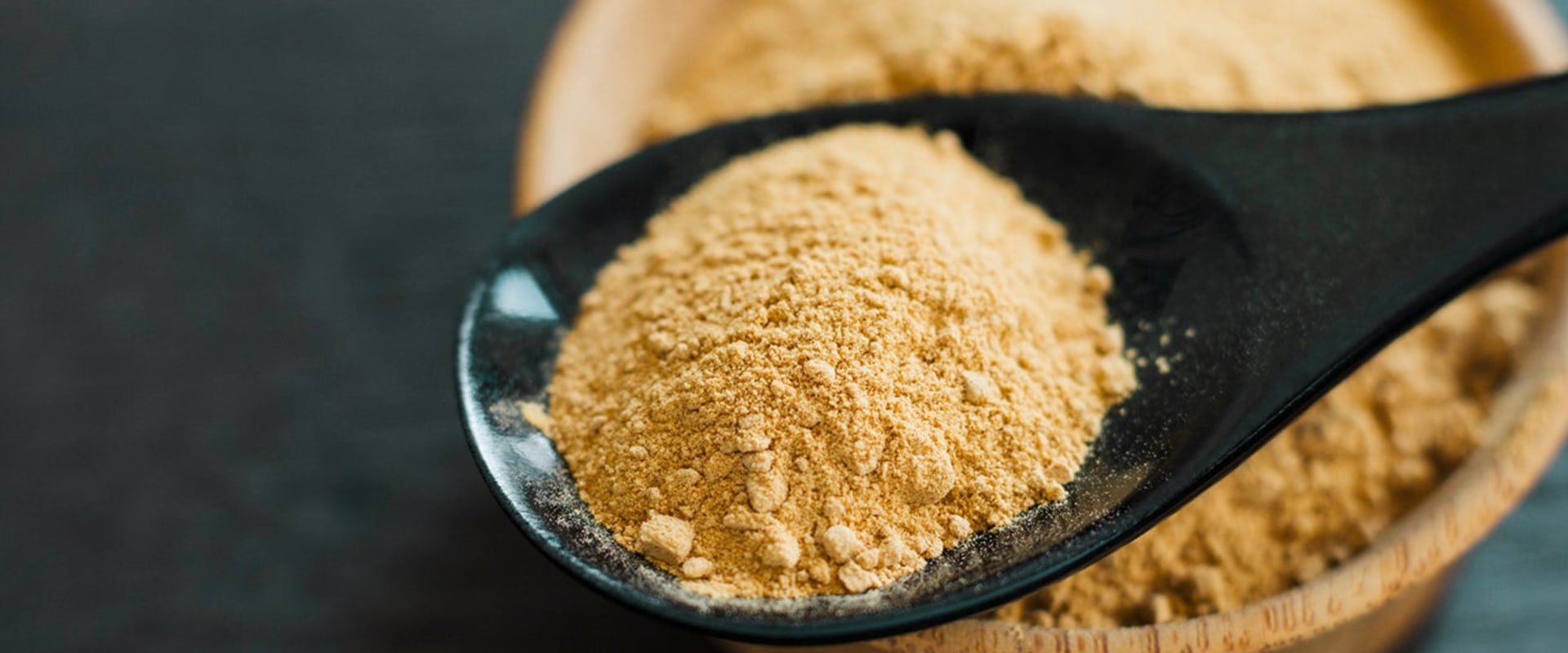
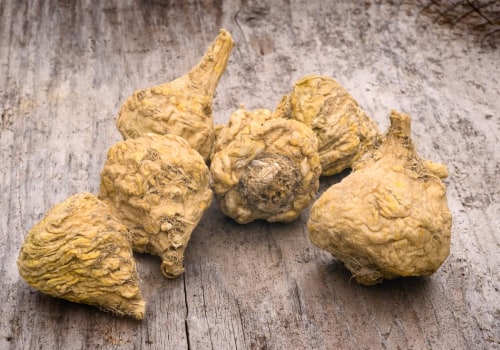
Maca root, scientifically known as Lepidium meyenii, is a remarkable plant native to the high altitudes of the Peruvian Andes. This resilient root vegetable has been cultivated for thousands of years, primarily by indigenous communities who recognized its nutritional and medicinal properties. Traditionally, maca has been used not only as a food source but also as a natural remedy to enhance energy, stamina, and overall well-being. Its unique ability to thrive in harsh conditions has made it a symbol of endurance and vitality. The history of maca is rich and intertwined with the cultural practices of the Andean people.
Ancient civilizations, including the Incas, revered maca for its health benefits and often included it in their diets. It was commonly consumed in various forms—whether as a powder mixed into foods, brewed into beverages, or even fermented. The root was believed to boost fertility and enhance sexual performance, making it a staple in traditional medicine for both men and women. In recent years, maca has gained popularity beyond its native region, becoming a sought-after superfood in health circles worldwide. The root is often marketed for its numerous maca root benefits, which include improved energy levels, enhanced mood, and support for hormonal balance.
Research suggests that maca may help alleviate symptoms of menopause, increase libido, and even improve athletic performance. However, while the potential benefits are promising, it is essential to approach maca with an understanding of its historical context and the need for further scientific exploration. As we delve deeper into the world of maca root, we will explore its various benefits, potential risks associated with long-term use, and how it can be effectively incorporated into modern diets. Understanding the origins and traditional uses of maca sets the stage for appreciating its role in contemporary health practices.
Nutritional Profile of Maca Root
Maca root, scientifically known as Lepidium meyenii, is not only celebrated for its potential health benefits but also for its impressive nutritional profile. This root vegetable, native to the high Andes of Peru, is rich in essential vitamins, minerals, and other beneficial compounds that contribute to its status as a superfood. One of the standout features of maca root is its vitamin content.It is particularly high in:
- Vitamin C: An antioxidant that supports the immune system and promotes skin health.
- B Vitamins: Including B1 (thiamine), B2 (riboflavin), B3 (niacin), B6 (pyridoxine), and folate. These vitamins play crucial roles in energy metabolism, brain function, and red blood cell formation.
- Calcium: Essential for bone health and muscle function.
- Iron: Vital for oxygen transport in the blood and energy production.
- Zinc: Important for immune function, wound healing, and DNA synthesis.
- Magnesium: Plays a role in over 300 biochemical reactions in the body, including muscle and nerve function.
- Potasium: Helps regulate fluid balance and supports heart health.
Health Benefits of Maca Root
Maca root, a powerful adaptogen native to the Andes mountains, has garnered attention for its numerous health benefits.This ancient superfood is not only a staple in Peruvian diets but also a popular supplement worldwide, particularly for its potential to enhance energy levels, improve fertility, and support hormonal balance.
Energy Enhancement
One of the most celebrated health benefits of maca is its ability to boost energy and stamina. Many athletes and fitness enthusiasts incorporate maca into their routines to enhance performance and endurance. Research indicates that maca may help increase energy levels without the jittery side effects often associated with caffeine. A study published in the journal Evidence-Based Complementary and Alternative Medicine found that participants who consumed maca experienced significant improvements in their physical performance compared to those who did not.
Fertility Support
Maca has long been revered for its potential to enhance fertility in both men and women.
In men, studies have shown that maca can improve sperm quality, motility, and overall reproductive health. A systematic review published in Andrologia highlighted that men who took maca supplements reported increased libido and improved sexual function. For women, maca may help regulate menstrual cycles and alleviate symptoms of menopause, thus promoting reproductive health.
Hormonal Balance
The root is also known for its ability to support hormonal balance. Maca contains compounds called glucosinolates, which may help modulate hormone levels in the body.
This can be particularly beneficial for women experiencing hormonal fluctuations due to menstruation or menopause. A study in the journal Menopause found that women who consumed maca reported reduced symptoms of menopause, such as hot flashes and mood swings.
Sexual Health
Maca's reputation as a natural aphrodisiac is well-documented. It has been shown to enhance sexual desire and improve overall sexual health. Research indicates that both men and women may experience increased libido after incorporating maca into their diets.
A clinical trial published in Urology demonstrated that men taking maca experienced significant improvements in sexual desire after just eight weeks of supplementation. In conclusion, the health benefits of maca root are extensive, ranging from increased energy levels to enhanced fertility and hormonal balance. As with any supplement, it is essential to consult with a healthcare provider before starting a new regimen, especially for those with underlying health conditions or those taking medications.
Maca and Hormonal Balance
Maca root, a powerful adaptogen, has garnered attention for its potential to influence hormonal balance in both men and women. This ancient Peruvian superfood is believed to help regulate hormones, which can be particularly beneficial during significant life stages such as menopause and for those looking to enhance testosterone levels.Maca and Menopause
For many women, menopause can bring about a host of uncomfortable symptoms, including hot flashes, mood swings, and sleep disturbances. Research suggests that maca may help alleviate some of these symptoms.A study published in the journal Menopause found that women who consumed maca experienced a reduction in menopausal symptoms compared to those who did not. The root is thought to work by supporting the endocrine system, which regulates hormone production. One of the key benefits of maca during menopause is its potential to improve mood and energy levels. Many women report feeling more balanced and less irritable after incorporating maca into their diets. This could be attributed to its ability to stabilize hormone levels, thus reducing the emotional fluctuations often associated with menopause.
Maca and Testosterone Levels
In addition to its effects on women, maca has also been studied for its impact on testosterone levels in men.Testosterone is crucial for various bodily functions, including muscle mass maintenance, libido, and overall vitality. Some studies indicate that maca may enhance libido and improve sexual function without directly increasing testosterone levels. A notable study involving healthy men showed that those who took maca experienced an increase in sexual desire after eight weeks of supplementation. While the exact mechanism remains unclear, it is believed that maca may help optimize hormonal balance rather than simply boosting testosterone levels. Furthermore, maca is rich in nutrients that support overall health, including vitamins B, C, and E, as well as essential minerals like zinc and magnesium. These nutrients play a vital role in maintaining hormonal health and can contribute to improved energy levels and mood stability. In conclusion, while more research is needed to fully understand the extent of maca's effects on hormonal balance, preliminary findings suggest it may offer significant benefits for both menopausal women and men seeking to enhance their testosterone levels.
As always, it is advisable to consult with a healthcare provider before starting any new supplement regimen.
Potential Side Effects of Long-Term Maca Use
While maca root is often praised for its numerous health benefits, particularly in enhancing sexual function and boosting energy levels, it is essential to consider the potential side effects associated with its long-term use. Understanding these risks can help individuals make informed decisions about incorporating maca into their daily regimen. One of the most commonly reported side effects of maca supplements is gastrointestinal discomfort. Users may experience symptoms such as:- Nausea
- Diarrhea
- Bloating
- Stomach cramps
Maca is known to influence hormone levels in the body, which can be beneficial for some but may pose risks for others. For instance, individuals with hormone-sensitive conditions, such as:
- Breast cancer
- Uterine cancer
- Ovarian cancer
This distinction is vital for those seeking a solution for sexual health issues. Long-term safety data on maca is still limited. Although short-term studies suggest that consuming up to 3 grams per day is safe for most individuals, the long-term implications remain unclear. Therefore, it is advisable to consult with a healthcare provider before starting any new supplement regimen, especially for those with pre-existing health conditions or those taking other medications. In conclusion, while maca root offers several potential benefits, being aware of its possible side effects is crucial for safe consumption. Individuals should monitor their body's response and consult healthcare professionals to ensure that they are making the best choices for their health.
Research on Long-Term Use of Maca Root
Research on the long-term use of maca root has been limited, leaving many questions unanswered regarding its safety and efficacy over extended periods.While maca has gained popularity for its potential health benefits, particularly in enhancing sexual function and fertility, the scientific community has yet to conduct extensive studies that focus specifically on the long-term effects of its consumption. Most existing studies have concentrated on short-term outcomes, often lasting only a few weeks to a few months. For instance, a notable study published in the journal Evidence-Based Complementary and Alternative Medicine examined the effects of maca on sexual desire over a 12-week period. Participants reported improvements in libido; however, this research does not provide insights into what might happen if maca is consumed continuously for years. One of the few studies that explored longer durations involved freeze-dried maca extracts. This research indicated that there were no toxic effects observed after prolonged use.
However, it is essential to note that this study was limited in scope and did not address various demographic factors such as age, sex, or pre-existing health conditions that could influence outcomes. Moreover, while some studies have suggested that maca may help alleviate symptoms of menopause and improve mood, these findings are often based on small sample sizes or anecdotal evidence. The lack of large-scale, randomized controlled trials means that we cannot definitively conclude whether long-term use of maca is entirely safe or beneficial. Another area of concern is the potential hormonal effects of maca. Given its ability to mimic estrogen in the body, there are worries about its impact on hormone-sensitive conditions. For example, women with a history of breast or ovarian cancer may need to exercise caution when considering maca supplements. In summary, while initial findings suggest that maca root may offer several health benefits, the current body of research does not adequately address the long-term implications of its use.
There is a pressing need for comprehensive studies that investigate the safety and efficacy of maca over extended periods. Until more conclusive evidence is available, individuals considering long-term use should consult healthcare professionals to weigh potential risks and benefits.
How to Incorporate Maca into Your Diet Safely
Incorporating maca root into your diet can be a rewarding experience, offering numerous health benefits while adding a unique flavor to your meals. However, it’s essential to do so safely and effectively. Here are some practical tips on how to use maca, recommended dosages, and creative recipes to help you enjoy this superfood.Recommended Dosage of Maca
- The typical dosage for maca root ranges from 1.5 to 3 grams per day.
It’s advisable to start with a lower dose and gradually increase it to assess your body’s response.
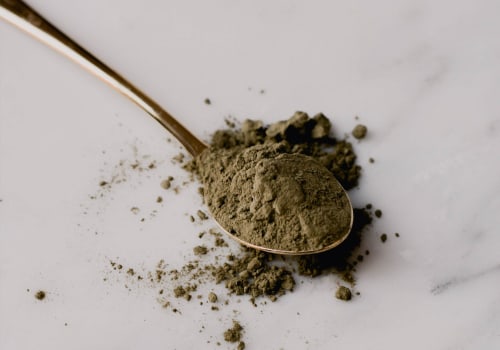
- For those using maca in powdered form, 1 teaspoon (about 5 grams) is a common starting point. You can adjust based on your individual needs and tolerance.
- It’s best to avoid taking maca in excessive amounts, as high doses may lead to gastrointestinal discomfort or other side effects.
How to Use Maca in Your Meals
Maca has a nutty, earthy flavor that can enhance various dishes. Here are some creative ways to incorporate it into your diet:
- Smoothies: Add 1 teaspoon of maca powder to your favorite smoothie recipe. It pairs well with bananas, spinach, and almond milk for a nutritious breakfast or snack.
- Baking: Incorporate maca into baked goods like muffins, pancakes, or energy bars.
Replace up to 10% of the flour in your recipe with maca powder for added nutrition.
- Oatmeal: Stir in 1 teaspoon of maca powder into your morning oatmeal or overnight oats for an extra boost of energy and flavor.
- Coffee or Tea: Mix maca powder into your coffee or tea for a unique twist. It can enhance the drink's flavor while providing additional health benefits.
- Soups and Stews: Add maca powder to soups or stews during cooking. It blends well with savory flavors and can enrich the nutritional profile of your meals.
Final Thoughts
When incorporating maca into your diet, remember to listen to your body and adjust the dosage as needed. Consulting with a healthcare provider before starting any new supplement is always wise, especially if you have underlying health conditions or are pregnant.
With these tips and recipes, you can safely enjoy the many maca root benefits while enhancing your culinary experience.
Consulting with Healthcare Professionals About Maca Use
When considering the incorporation of maca into your health regimen, it is crucial to engage in a dialogue with your healthcare provider. This step is essential not only for ensuring safety but also for maximizing the potential benefits of this supplement.Understanding Your Health Needs
Before discussing maca with your doctor, take some time to reflect on your health goals and any existing conditions. Are you looking to enhance your energy levels, improve sexual function, or support hormonal balance? Having a clear understanding of your objectives will help guide the conversation and allow your healthcare provider to offer tailored advice.
Preparing for the Consultation
To make the most of your appointment, consider preparing a list of questions and concerns related to maca. Here are some points you might want to cover:
- What are the potential benefits of maca for my specific health concerns?
- Are there any known interactions between maca and my current medications?
- What dosage would you recommend if I decide to take maca?
- How long should I consider taking maca before assessing its effects?
- Are there any side effects I should be aware of?
Discussing Supplement Safety
Your healthcare provider can offer valuable insights into the safety of supplements like maca.
They can help you understand how it fits into your overall health plan and whether it aligns with any treatments you may be undergoing. It’s important to disclose all supplements you are currently taking, as this information can help prevent adverse interactions.
The Importance of Professional Guidance
While many people turn to natural supplements like maca for their perceived benefits, self-prescribing can lead to unintended consequences. A healthcare professional can provide evidence-based recommendations and monitor your progress, ensuring that you achieve the desired outcomes without compromising your health.
In conclusion, consulting with a healthcare professional before starting any new supplement regimen, including maca, is a vital step in safeguarding your health. By approaching this conversation thoughtfully and openly, you can make informed decisions that support your wellness journey.
Conclusion: Weighing the Benefits Against the Risks of Maca Root
In summary, the discussion surrounding the long-term use of maca root reveals a complex interplay between its potential benefits and associated risks.As we have explored, maca root has been celebrated for its numerous health advantages, particularly in enhancing sexual function and fertility. However, it is crucial to approach these claims with a balanced perspective.
Benefits of Maca Root:
- Improved Sexual Desire: Research indicates that maca can significantly enhance libido in both men and women, making it a popular choice for those seeking to boost their sexual health.
- Fertility Support: Some studies suggest that maca may improve sperm quality and overall reproductive health, which can be beneficial for couples trying to conceive.
- Energy and Stamina: Many users report increased energy levels and improved athletic performance, which can be attributed to maca's nutrient profile.
- Mood Enhancement: Maca may also contribute to better mood regulation and reduced anxiety, potentially due to its adaptogenic properties.
Risks of Long-Term Use:
- Hormonal Effects: Given that maca can mimic estrogen in the body, individuals with hormone-sensitive conditions should exercise caution and consult healthcare professionals before use.
- Potential Side Effects: While generally considered safe, some users may experience mild gastrointestinal issues or headaches. Long-term effects remain under-researched.
- Lack of Comprehensive Studies: The current body of research does not provide conclusive evidence regarding the long-term safety of maca supplements, necessitating further investigation.
As with any supplement, informed decision-making is key to maximizing benefits while minimizing risks.