Clear guidance on maca root
The Surprising Benefits and Potential Risks of Maca Root: A Comprehensive Guide
Discover the surprising benefits and potential risks of maca root. Learn how this superfood can enhance your health and well-being.

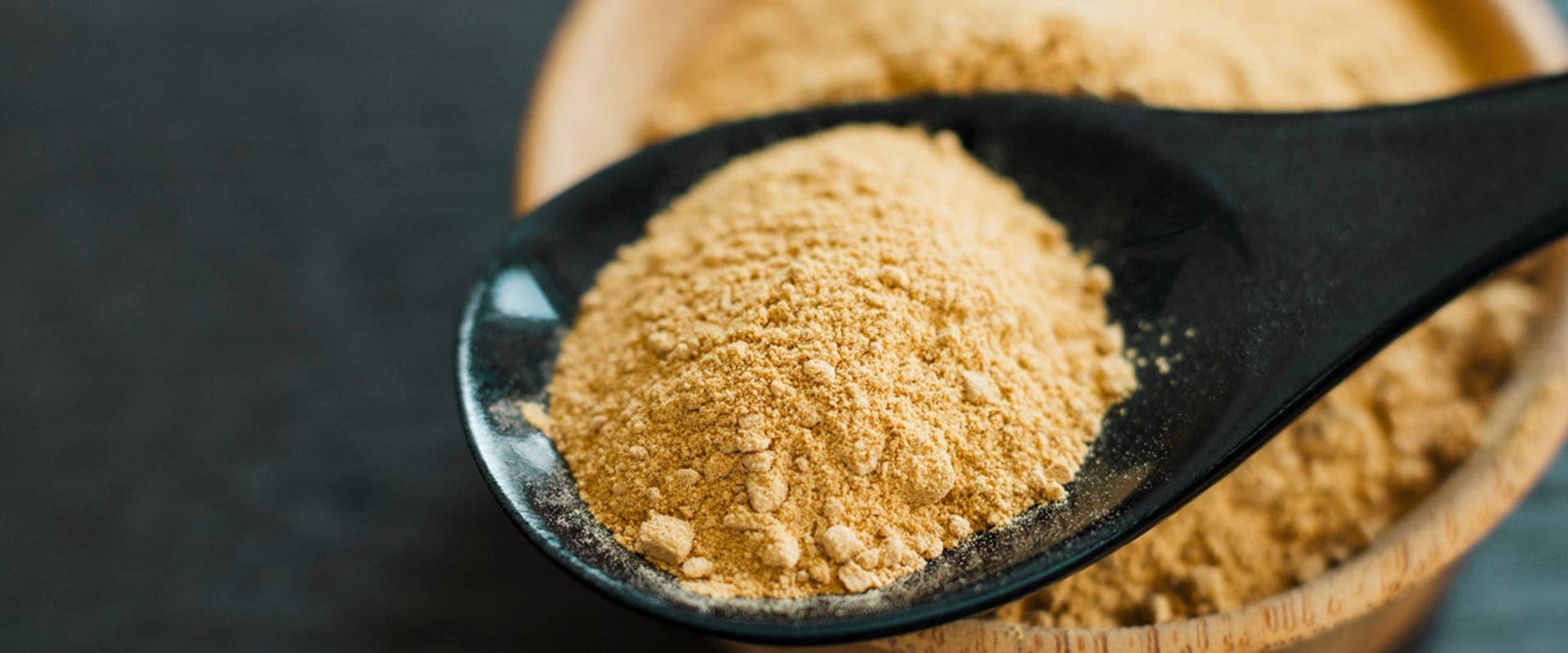
Maca root, scientifically known as Lepidium meyenii, is a remarkable plant native to the high Andes of Peru. For centuries, indigenous communities have revered this root vegetable not only for its nutritional value but also for its potential health benefits. Traditionally, maca has been used as a natural remedy to enhance fertility, boost energy levels, and improve overall well-being. As interest in natural supplements continues to grow, many people are looking for ways to incorporate maca into their diets, especially to ensure that my vegan cannabinoid edibles are enriched with its myriad , is a remarkable plant native to the high Andes of Peru. For centuries, indigenous communities have revered this root vegetable not only for its nutritional value but also for its potential health benefits. Traditionally, maca has been used as a natural remedy to enhance fertility, boost energy levels, and improve overall well-being. As interest in natural supplements continues to grow, many people are looking for ways to incorporate maca into their diets, especially to ensure that my vegan cannabinoid edibles are enriched with its myriad maca root benefits . What makes maca particularly fascinating is its adaptability to harsh environmental conditions.
Thriving at altitudes of over 13,000 feet, this resilient root has developed unique properties that contribute to its health-promoting effects. Rich in essential nutrients, including vitamins, minerals, and amino acids, maca is often considered a superfood. Its increasing popularity can be attributed to the growing demand for natural alternatives to conventional medicine and the desire for holistic approaches to health. As more people seek out natural solutions for various health concerns, maca root has emerged as a versatile supplement that can be easily incorporated into daily routines. Available in various forms such as powders, capsules, and extracts, it offers a convenient way to harness its potential benefits.
However, while the advantages of maca are compelling, it is equally important to understand the potential risks associated with its consumption. This article will delve deeper into both the benefits and risks of maca root, providing a comprehensive overview for those considering adding this powerful root to their health regimen.
What is Maca Root?
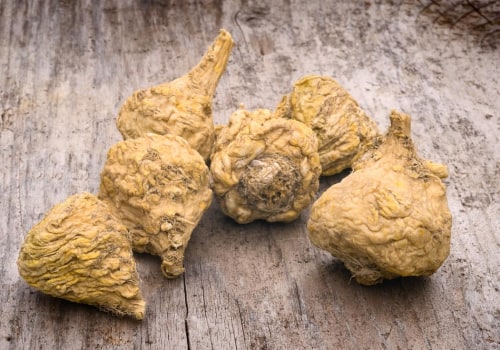
Maca root, scientifically known as Lepidium meyenii, is a cruciferous vegetable that belongs to the mustard family. Native to the high Andes of Peru, this remarkable plant has been cultivated for thousands of years, primarily for its edible root. The root is typically round or oval in shape and can vary in color from yellow to red to black, each type offering unique benefits and flavors. Traditionally, maca root has been revered by indigenous Peruvian cultures for its nutritional and medicinal properties.It is often referred to as "Peruvian ginseng" due to its adaptogenic qualities, which help the body adapt to stress and promote overall well-being. The root is commonly consumed in various forms, including powder, capsules, and liquid extracts, making it accessible for modern dietary practices.
Nutritional Profile of Maca
The nutritional profile of maca root is impressive, making it a valuable addition to any diet. It is rich in essential vitamins and minerals, including:- Vitamins: Maca contains significant amounts of vitamin C, B vitamins (such as B1, B2, and B6), and vitamin E.
- Minerals: This root is a good source of calcium, potassium, iron, magnesium, and zinc.
- Amino Acids: Maca root provides all eight essential amino acids, which are crucial for protein synthesis and overall health.
- Fiber: The high fiber content aids in digestion and promotes gut health.
As more people discover the potential advantages of incorporating this superfood into their diets, it continues to gain popularity worldwide.
The Nutritional Profile of Maca Root
Maca root, often hailed as a superfood, boasts a rich nutritional profile that contributes to its numerous health benefits. This root vegetable is not only a source of energy but also provides essential vitamins and minerals that support overall well-being. One of the standout features of maca root is its impressive array of vitamins. It contains:- Vitamin C: An antioxidant that plays a crucial role in immune function and skin health.
- B Vitamins: Including B1 (thiamine), B2 (riboflavin), B3 (niacin), B6 (pyridoxine), and B12 (cobalamin), these vitamins are vital for energy production, brain function, and red blood cell formation.
- Vitamin E: Known for its antioxidant properties, vitamin E helps protect cells from oxidative stress.
- Calcium: Crucial for bone health and muscle function.
- Iron: Essential for oxygen transport in the blood and energy metabolism.
- Zinc: Plays a role in immune function, protein synthesis, and wound healing.
- Magnesium: Important for muscle and nerve function, as well as energy production.
- Selenium: An antioxidant that helps protect against cellular damage and supports thyroid function.
Whether consumed in powder form, capsules, or as part of a smoothie, incorporating maca can enhance nutritional intake while potentially providing various health benefits.
Surprising Benefits of Maca Root
Maca root, a powerful adaptogen, has garnered attention for its wide array of health benefits. This ancient Peruvian superfood is not only celebrated for its nutritional profile but also for its potential to enhance overall well-being. One of the most notable maca root benefits is its ability to boost energy levels. Many users report feeling more energetic and less fatigued after incorporating maca into their diets. A study published in the journal Evidence-Based Complementary and Alternative Medicine found that participants who consumed maca experienced increased stamina and improved exercise performance.This makes maca an excellent choice for athletes or anyone looking to enhance their physical endurance. In addition to energy enhancement, maca root is widely recognized for its positive effects on sexual health. Research indicates that maca can improve libido and sexual function in both men and women. A systematic review in the journal BMC Complementary Medicine and Therapies highlighted that men taking maca showed significant improvements in sexual desire and erectile function compared to those on a placebo. Women have also reported increased sexual satisfaction after using maca, making it a popular natural remedy for enhancing libido. Another significant benefit of maca root is its potential to help balance hormones.
Maca contains compounds known as glucosinolates, which may support hormonal health by influencing estrogen levels in the body. This can be particularly beneficial for women experiencing menopausal symptoms such as hot flashes and mood swings. A study published in Menopause found that women who took maca experienced a reduction in menopausal symptoms, suggesting that it may play a role in hormonal regulation. Furthermore, maca root is rich in essential nutrients, including vitamins B, C, and E, as well as minerals like calcium, magnesium, and zinc. These nutrients contribute to overall health and vitality, supporting immune function and promoting healthy skin. In summary, the surprising benefits of maca root extend beyond mere energy enhancement.
From improving sexual function to aiding hormonal balance, this versatile root offers a range of health advantages that can enhance quality of life. As with any supplement, it’s advisable to consult with a healthcare professional before adding maca to your routine to ensure it aligns with your individual health needs.
Maca Root and Hormonal Balance
Maca root, a powerful adaptogen, has garnered attention for its potential to influence hormonal balance in both men and women. This ancient Peruvian root is believed to support the endocrine system, which plays a crucial role in regulating hormones. Understanding how maca affects hormonal levels can provide insights into its benefits for fertility and menopausal symptoms.Effects on Hormonal Levels
Research suggests that maca may help modulate hormonal levels rather than directly increase or decrease them.
For instance, studies indicate that maca can enhance libido and sexual function without significantly altering testosterone levels in men. This suggests that maca may improve sexual health by optimizing hormonal balance rather than simply boosting hormone production.
Maca for Menopause
For women experiencing menopause, maca root may offer relief from various symptoms associated with this transitional phase. Many women report improvements in hot flashes, mood swings, and sleep disturbances after incorporating maca into their diets. The root's phytonutrients are thought to help stabilize estrogen levels, which can alleviate some of the discomforts of menopause.
In a study involving postmenopausal women, those who consumed maca experienced a significant reduction in anxiety and depression symptoms compared to those who did not.
This highlights maca's potential as a natural remedy for emotional imbalances during menopause.
Maca and Fertility
When it comes to fertility, both men and women may benefit from the hormonal balancing effects of maca. For men, research has shown that maca can improve sperm quality and motility, which are critical factors for fertility. In women, maca may help regulate menstrual cycles and enhance ovarian function, potentially increasing the chances of conception.
Moreover, the adaptogenic properties of maca can help reduce stress levels, which is essential for reproductive health. High stress can lead to hormonal imbalances that negatively impact fertility; thus, incorporating maca into a balanced diet may support overall reproductive wellness.
In conclusion, while more research is needed to fully understand the extent of maca's effects on hormonal balance, its potential benefits for both menopausal symptoms and fertility make it a valuable addition to many individuals' health regimens.
As always, consulting with a healthcare professional before starting any new supplement is advisable to ensure it aligns with personal health needs.
Potential Risks and Side Effects of Maca Root
While maca root is celebrated for its numerous health benefits, it is essential to be aware of the potential risks and side effects associated with its consumption. Understanding these factors can help individuals make informed decisions about incorporating maca into their diets.Possible Side Effects
- Nervousness and Anxiety: Some users have reported feelings of nervousness or anxiety after consuming maca, particularly in higher doses. This may be due to its stimulating properties, which can affect individuals differently.
- Digestive Issues: Mild digestive discomfort, such as bloating or gas, has been noted by some individuals, especially those who are new to maca. Starting with a smaller dose and gradually increasing it may help mitigate these effects.
-
Insomnia: Due to its energizing effects, taking maca too close to bedtime may interfere with sleep patterns.
It is advisable to consume maca earlier in the day to avoid potential sleep disturbances.
Risks of Excessive Maca Consumption
While there is no definitive research indicating severe adverse effects from excessive maca intake, moderation is crucial. Overconsumption may lead to:
- Hormonal Imbalance: Maca can influence hormone levels due to its phytoestrogen content. Individuals with hormone-sensitive conditions should exercise caution and consult a healthcare provider before use.
- Increased Heart Rate: Some users have experienced an elevated heart rate when consuming high doses of maca, which could be concerning for those with pre-existing heart conditions.
Who Should Avoid Maca?
Certain individuals should consider avoiding maca or consulting a healthcare professional before use:
- Pregnant or Nursing Women: Due to limited research on the safety of maca during pregnancy and lactation, it is best for these individuals to avoid it.
- Individuals with Hormone-Sensitive Conditions: Those with conditions such as breast cancer, uterine cancer, or endometriosis should consult their doctor before using maca due to its estrogen-like effects.
- People with Thyroid Issues: Maca contains goitrogens that may interfere with thyroid function. Individuals with thyroid disorders should seek medical advice before incorporating maca into their diet.
Being aware of potential side effects and contraindications can help ensure a safe and beneficial experience with this powerful root.
How to Incorporate Maca Root into Your Diet
Incorporating maca root into your diet can be both enjoyable and beneficial. This versatile superfood can be added to a variety of dishes and beverages, making it easy to reap its health benefits. Here are some practical tips and delicious recipes to help you integrate maca root into your daily meals.Choosing the Right Form of Maca
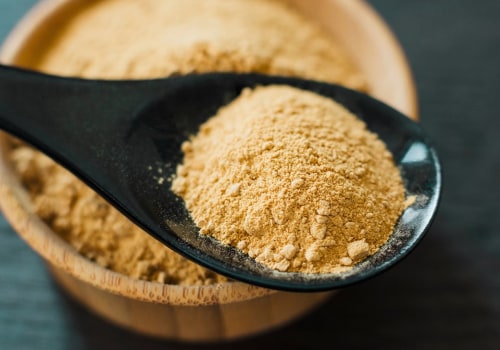
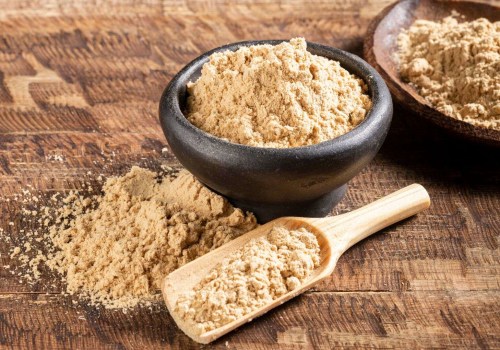
Maca root is available in several forms, including powder, capsules, and liquid extracts. Each form has its own advantages:- Maca Powder: This is the most common form and can be easily added to smoothies, oatmeal, or baked goods.
- Maca Capsules: Ideal for those who prefer a quick and convenient option without altering their meals.
- Maca Liquid Extract: This concentrated form can be added to drinks or taken directly for a quick boost.
Delicious Maca Recipes
Here are a few simple recipes that showcase how to use maca root effectively:-
Maca Smoothie: Blend 1 banana, 1 cup of spinach, 1 tablespoon of maca powder, 1 cup of almond milk, and a handful of ice.
This nutrient-packed smoothie is perfect for breakfast or a post-workout snack.
- Maca Oatmeal: Stir 1 tablespoon of maca powder into your morning oatmeal along with your favorite toppings like nuts, fruits, and honey for added flavor and nutrition.
- Maca Energy Bites: Combine 1 cup of oats, 1/2 cup of nut butter, 1/4 cup of honey, and 2 tablespoons of maca powder. Roll into bite-sized balls and refrigerate for a quick energy snack.
Tips for Incorporating Maca into Your Diet
To maximize the benefits of maca root, consider the following tips:- Start Slow: If you’re new to maca, begin with a small amount (about 1 teaspoon) and gradually increase to avoid digestive discomfort.
- Pair with Healthy Fats: Consuming maca with healthy fats (like avocado or nut butter) can enhance its absorption in the body.
- Experiment with Flavors: Maca has a slightly nutty flavor that pairs well with chocolate, vanilla, or cinnamon. Don’t hesitate to experiment with different flavor combinations!
Different Forms of Maca Root Supplements
When it comes to incorporating maca root into your diet, understanding the different forms of supplements available can help you make an informed choice. Each form has its own set of advantages and disadvantages, which can affect your experience and the benefits you derive from this powerful root.Maca Powder
Maca powder is one of the most popular forms of this supplement.It is made by grinding the dried root into a fine powder, making it easy to incorporate into various foods and beverages.
-
Advantages:
- Versatility: Maca powder can be added to smoothies, oatmeal, baked goods, and even soups, allowing for creative culinary uses.
- Cost-Effective: Generally, maca powder is less expensive than capsules or liquid extracts, making it a budget-friendly option for those looking to enjoy its benefits.
- Full Spectrum: The powder form retains all the natural compounds found in the root, providing a holistic approach to supplementation.
-
Disadvantages:
- Taste: Some people find the earthy flavor of maca powder unappealing, which may deter them from using it regularly.
- Preparation Time: Unlike capsules, which are ready to take, using maca powder requires some preparation and mixing.
Maca Capsules
Maca capsules offer a convenient way to consume this supplement without the need for preparation. They contain powdered maca root in a gelatin or vegetarian capsule.-
Advantages:
- Convenience: Capsules are easy to take on-the-go and require no mixing or measuring.
- No Taste: For those who dislike the flavor of maca, capsules provide a tasteless alternative.
-
Disadvantages:
- Dosing Limitations: It can be challenging to adjust your dosage with capsules since they come in fixed amounts.
- Cost: Capsules tend to be more expensive than powder due to processing and packaging costs.
Maca Liquid Extracts
Maca is also available in liquid extract form, which is typically more concentrated than powder or capsules. This form is often used for quick absorption.-
Advantages:
- Fast Absorption: Liquid extracts are absorbed more quickly by the body compared to powders or capsules.
- Easier Dosing: Liquid forms allow for more precise dosing adjustments based on individual needs.
-
Disadvantages:
- Taste Variability: Some liquid extracts may have added flavors or sweeteners that could alter the natural taste of maca.
- Shelf Life: Liquid extracts may have a shorter shelf life compared to powdered forms due to their composition.
Choosing Quality Maca Products
When it comes to incorporating maca root into your wellness routine, selecting high-quality products is essential for maximizing its benefits.With the growing popularity of maca, the market is flooded with various supplements, making it crucial to know how to choose the right one.
1.Look for Reputable Brands
- Research brands that specialize in natural supplements and have a solid reputation in the industry. Look for companies that prioritize quality and transparency in their sourcing and manufacturing processes.
- Check for third-party testing. Reputable brands often have their products tested by independent laboratories to ensure purity and potency.
- Read customer reviews and testimonials. Feedback from other users can provide insights into the effectiveness and quality of the product.
2.Understand Sourcing Practices
- Maca is traditionally grown in the high altitudes of Peru, where the unique climate contributes to its nutritional profile.
Ensure that the maca you choose is sourced from reputable Peruvian farms that adhere to sustainable farming practices.
- Look for products that specify whether they use gelatinized maca or raw maca powder. Gelatinized maca is pre-cooked to remove starch, making it easier to digest, while raw maca retains more of its natural enzymes.
3.Check for Bioactive Compounds
- The effectiveness of maca root largely depends on its bioactive compounds, such as alkaloids and glucosinolates. High-quality products should list these compounds on their labels or provide information about their concentrations.
- Avoid products with excessive fillers or additives, as these can dilute the benefits of maca root.
4.Consider Formulation
- Maca is available in various forms, including powders, capsules, and liquid extracts. Choose a formulation that fits your lifestyle and preferences.
For instance, if you enjoy smoothies, a powder may be ideal, while capsules might be more convenient for on-the-go use.
- Pay attention to dosage recommendations provided by the manufacturer to ensure you are taking an effective amount.
<strong>Conclusion</strong>
In summary, the exploration of maca root benefits reveals a fascinating array of potential health advantages that have captivated both traditional and modern wellness communities. From enhancing sexual function and libido to providing energy boosts and alleviating menopausal symptoms, maca root stands out as a versatile natural supplement. Its rich nutritional profile, including essential vitamins, minerals, and unique bioactive compounds, contributes to its reputation as a superfood. However, it is crucial to approach maca root with a balanced perspective. While many individuals experience positive effects, there are potential risks associated with excessive consumption.Reports of mild side effects such as digestive discomfort, insomnia, and nervousness highlight the importance of moderation. Furthermore, those with specific health conditions or hormonal sensitivities should consult healthcare professionals before incorporating maca into their routines. As you consider adding maca root to your diet, keep in mind the following key points:
- Quality Matters: Not all maca products are created equal. Opt for high-quality sources that prioritize traditional harvesting and processing methods to ensure maximum potency and efficacy.
- Start Slow: If you are new to maca, begin with small doses to assess your body's response. Gradually increase your intake as needed while monitoring for any adverse effects.
- Consult Professionals: Always seek advice from healthcare providers, especially if you have pre-existing health conditions or are taking medications that may interact with maca.
By understanding both the benefits and potential risks associated with this remarkable root, you can make educated choices that align with your wellness goals. Embrace the journey of discovering how maca can enhance your life while remaining mindful of its effects on your body.